Neck Rejuvenation 101: Botox for Neck Bands
Wondering if Botox can smooth the vertical cords that show up on your neck when you talk, smile, or strain? Yes, when used with skill, Botox softens platysmal bands, refines the neck contour, and can even create a subtle lift along the jaw. This guide explains what causes those bands, how treatment works in real life, dosing logic, safety, and when Botox should be paired with other options for a natural finish.
Botox for neck rejuvenation sits at the intersection of anatomy, dosage, and restraint. I have seen outstanding results in the right patients, but the neck punishes heavy hands. If you have ever had great forehead Botox that went wrong in the neck, you know what I mean. The platysma is a thin, superficial muscle that helps depress the lower face and tense the neck. Tame it just enough, and the result is graceful. Overdo it, and the smile or swallow can feel strange for weeks.

What you are seeing when you notice “turkey neck” or cords
The vertical lines many people call neck bands are platysmal bands. They often look more obvious when you clench your teeth or say “eee.” With age, the platysma becomes more active or more visible as skin thins and fat redistributes. Genetics can make bands appear in your 30s. More often, they worsen in the 40s to 60s, especially in lean necks with good muscle tone but reduced skin elasticity.
Here is the crucial distinction: a “band” is dynamic muscle. Horizontal neck lines are usually skin creases from movement and collagen loss. Laxity under the chin is skin and fat descent. Botox for platysmal bands will not tighten loose skin or erase deep horizontal rings. It softens vertical bands and can tweak jaw definition by reducing the downward pull of the platysma on the lower face.
Who is a strong candidate, and who should wait
I look for three features before recommending Botox for neck bands. First, visible vertical cords when the neck is activated, that is, bands you can “make” with expression. Second, reasonable skin quality, because Botox does not replace collagen. Third, a stable weight, since major fluctuations quickly change neck contour.
Borderline candidates include those with marked laxity, a heavy submental fat pad, or thick, sun-damaged skin. In those cases, I suggest pairing or staging treatments like skin tightening, micro botox explained for texture, or even surgical options. If the concern is primarily skin laxity, Botox vs skin tightening is not a toss-up. Energy devices or surgery do the lifting. Botox polishes movement.
How Botox helps the neck, and where it does not
Think of Botox as a brake, not a freeze. By interrupting acetylcholine release at the neuromuscular junction, it reduces the platysma’s pull. In the neck, this offers two useful outcomes. First, vertical band softening. Second, a subtle Nefertiti effect, where the jawline looks crisper because the downward traction on the corners of the mouth and lower face is reduced. When combined with carefully placed Botox for brow lift or eyebrow lift, the face reads more balanced from forehead to collarbone.
Where it does not help: deep jowls driven by fat and ligament laxity, crepey skin, or pronounced “turkey neck” skin drape. For those, I’ll talk about Botox vs dermal fillers, collagen injections, and skin tightening devices later in this article, because the choice matters.
A clinician’s view of botox injection techniques for the neck
Good technique respects the platysma’s anatomy and the thin margin between refinement and dysfunction. I map bands with the patient sitting straight, teeth gently clenched. I palpate each band from jawline to collarbone, note asymmetries, and avoid anterior midline over the larynx where the skin is thin and swallowing structures lie deeper.
I inject superficially at several points along each band, spacing small aliquots 1 to 1.5 centimeters apart. Depth matters. The platysma sits just under the skin, so intradermal or very superficial subdermal placement is ideal. Go too deep, and you risk diffusion to deeper strap muscles, which can change swallowing comfort. Treat lateral neck bands cautiously, because diffusion there can change smile dynamics. Slow injections reduce bruising. Gentle pressure after each point helps tamponade tiny vessels.
The goal is uniform relaxation along the band, not a hard stop at a single point. I also watch how the lower face responds. Light treatment near the mandibular border can subtly reduce downward pull at the mouth corners, but heavy dosing at the jawline risks a flat or pressed look.
Botox dosing units explained for the neck
How many units of Botox do I need for platysmal bands? The honest answer is a range, guided by the number of bands, their strength, neck length, and the product used. For onabotulinumtoxinA (Botox Cosmetic), a typical total for both sides is often 20 to 60 units. Lean necks with two prominent bands might need 20 to 30 units. Strong, multiple bands along a long neck can require 40 to 60 units. I rarely exceed 60 total units in an average session unless we are addressing both bands and a defined Nefertiti lift along the jawline. If using other brands with different unit potencies, like incobotulinumtoxinA or abobotulinumtoxinA, dosing equivalence changes.
Baby Botox vs regular Botox comes up in consults. Baby dosing in the neck trades intensity for natural movement, which works for mild bands or early preventative botox age patients. Micro botox explained, also called meso botox treatment, involves very dilute product placed intradermally for texture and fine crepiness. It can brighten the neck skin, but it will not flatten true bands like targeted intramuscular dosing does. Nano botox is largely a marketing term for very superficial, highly diluted techniques.
Timeline, feel, and touch-up logic
Expect onset in 3 to 5 days, with the full softening at 10 to 14 days. I book a two-week review to check symmetry and adjust with small top-ups. Botox touch up timing at that two-week mark is long enough for full effect, short enough to correct before you forget the baseline.
Results last about 3 to 4 months in the neck, occasionally 5 to 6 months for lighter activity. When does Botox wear off? The nerve terminals sprout new branches, and the muscle function returns gradually. If you like the outcome, consider a rhythm of botox three sessions per year. Many patients find the second and third visits require the same or slightly fewer units, as the muscle retrains.
The appointment experience, pain, swelling, and bruising
Most neck sessions take 10 to 20 minutes. Botox injection pain is modest, described as brief pinpricks. I use the smallest gauge needles and keep the product room-temperature to reduce sting. Ice or topical anesthetic helps if you are needle-sensitive.
Botox swelling timeline in the neck is usually brief. Expect small wheals at injection sites for 10 to 20 minutes. Mild redness can last an hour. Botox bruising recovery varies by individual and supplements. If you take fish oil, vitamin E, ginkgo, or aspirin, consider pausing with your physician’s approval for 5 to 7 days before treatment. Arnica may help superficial bruising. If a pinpoint bruise appears, it usually clears within a week.
Aftercare that actually matters
I advise remaining upright for four hours, light neck movement, and no firm massaging on the treated areas that day. Skip intense workouts, steam rooms, or tight turtlenecks for 24 hours. Gentle skincare and sunscreen resume the same day. Botox aftercare instructions are about minimizing unwanted spread of the product and avoiding heat-induced vasodilation right away.
Safety, side effects, and how to avoid the “overdone” neck
Risks of too much Botox in the neck include neck weakness, difficulty holding the head up comfortably during long drives, a strained feeling when singing or projecting the voice, and rarely a sense of effort with swallowing large pills or dry foods. I have had singers, Pilates instructors, and public speakers who needed conservative dosing to preserve performance. Clear communication before treatment helps tailor the plan.
Asymmetry can happen if one band is stronger than the other or if the product diffuses unevenly. That is why the two-week check is useful. Headache is uncommon with neck treatment. Infection is rare with clean technique.
Can Botox be reversed? Not directly. There is no antidote to instantly reverse the effect. We rely on time, and in some cases, supportive care. The best defense is a careful starting dose and an experienced injector who respects the platysma’s function.
How neck Botox fits with other treatments
I think about the neck as three layers: skin, structural fat and ligaments, and muscle. Botox for platysmal bands addresses the muscle. If skin is crepey or etched with fine lines, micro botox explained or meso botox treatment can smooth texture, often alongside medical-grade skincare with retinoids and sunscreen. If you are bothered by horizontal rings, a conservative approach with skin boosters or fine hyaluronic filler may help, though careful technique is essential because filler in the neck can look lumpy if poorly placed.
For fullness under the chin, neuromodulator does not change fat. Lipolysis or energy-based skin tightening may be better. When jowling dominates, Botox vs skin tightening is a decisive fork. Devices that tighten the SMAS and deep dermis, or surgical lifting, outperform injectables. Botox can play a supporting role by reducing the downward pull, but it will not hoist tissue that has descended.
In later decades, when the platysma banding is strong and the skin envelope is loose, botox for turkey neck is not a Allure Medical in Greensboro, NC single-solution phrase. Combination therapy or surgery gives a more honest result.
Comparing Botox to fillers and collagen approaches in the neck
Botox vs dermal fillers in the neck is not either-or. They simply do different jobs. Fillers add volume or support and can soften horizontal lines, but they do not relax muscle bands. Collagen injections as a term gets used loosely. True collagen-based fillers are less common today. Biostimulators like poly-L-lactic acid or calcium hydroxylapatite can improve skin quality by promoting collagen, but they must be used conservatively in the neck to avoid nodules and stiffness. Neuromodulators sit well alongside these in a layered plan.

A real-world dosing example and outcome
A 48-year-old runner with two visible bands on activation, good skin, and mild laxity wants a cleaner neck for an upcoming event. We map two bands per side, with greatest prominence at mid-neck. I place 4 to 5 injection points along each band, very superficial, using 1 to 2 units per point for a total of 24 units of onabotulinumtoxinA. At two weeks, the bands are 60 to 70 percent softer at rest, and they show only lightly on forceful activation. She notes no swallowing changes. Longevity is just under four months on first pass. At the second visit, we repeat the same total and add tiny lateral jawline points for a gentle Nefertiti effect, increasing definition where she wanted it most.
Addressing related facial concerns that connect aesthetically
When we treat the neck, we often look upward and fine tune adjacent features. Hooded lids or low-set brows can make the face top-heavy next to a newly smoothed neck. Strategically placed botox for brow lift or eyebrow lift can open the eyes, while being mindful of botox for droopy eyelid risk when product migrates near the levator. For fine periocular creases, light dosing for under eye wrinkles helps, but it must be conservative to avoid smile flattening.
Bruxism and jaw clenching can create a square lower face. Botox for wide jaw or square jaw reduction in the masseters slims the face and harmonizes with a refined neck. It can also help with teeth grinding and jaw clenching. Not everyone wants slimming. Athletes who rely on bite strength often choose lower doses or pass altogether.
Smaller refinements include botox for bunny lines at the nose, botox for dimpled chin or orange peel chin, and softening lip lines. The trio of lip lines, lipstick lines, and smoker’s lines can be softened with microdoses, but articulation and sipping can feel different if overdone, so use finesse.
For body areas, trapezius slimming or shoulder reduction with Botox can lengthen the neck line visually, a style trend popularized in parts of Asia. The doses are higher in those muscles, the onset is similar, and the aesthetic goal is a longer, swan-like neck silhouette. Calf reduction is another off-face application for facial slimming illusions in fashion contexts, though it is not relevant for everyone and requires experienced hands.
Medical uses of Botox that patients often ask about
Clinic conversations often drift from aesthetics to function. Botox for eye twitching helps many with benign essential blepharospasm. Botox for back pain does not have consistent support for mechanical pain, though it can help focal spasm. Botox for bladder control and overactive bladder is well supported when conservative therapies fail, placed by urologists into the detrusor muscle. In neurology, Botox for cerebral palsy spasticity reduces hypertonicity in selected muscles. These medical indications remind patients that the same molecule, at different doses and locations, can serve very different goals.
Preventative strategy, maintenance, and aging well
Preventative botox age is less about a number and more about the presence of dynamic lines. I have patients in their early 30s with expressive platysmal bands who benefit from tiny, periodic touch-ups in the neck, and I have 50-year-olds with no visible bands until they strain who prefer to wait. Botox and natural aging can coexist well. The aim is not to erase expression, but to reduce harsh creasing and heavy pulls that age the profile.
How long does baby Botox last compared with standard dosing? Often 2 to 3 months rather than 3 to 4. The trade-off is a softer feel and more movement. Choose the cadence that matches your calendar and lifestyle.
Cost, planning, and expectations
Pricing varies by region and injector experience. Since neck bands may need 20 to 60 units per session, calculate your expected total based on local per-unit rates. Some practices price by area, others by units. I recommend a two-session plan for first-timers: a conservative initial session, then a two-week review with small additions https://www.alluremedical.com/services/botox-2/greensboro-nc/ if needed. It is far easier to add than to subtract.
If budget is a concern, start with the most bothersome bands rather than the full 360-degree neck. Address the worst offenders, learn how your neck responds, then expand your plan later.
How this interacts with your routine and daily comforts
Workouts resume the next day. Office work is immediate. Singing, projecting the voice, or teaching fitness classes can feel different in the first week if dosing is high. If your job relies on strong voice projection, share that before we plan dosing. Side sleeping is fine. Scarves and high collars are fine after 24 hours. Skin care continues as normal, with strict sunscreen. If you use retinoids on the neck, ease back in to avoid irritation.
When to consider alternatives to Botox for neck rejuvenation
If your primary concern is laxity, an energy device or surgical consult might be the first stop. If submental fullness dominates, fat reduction or weight management will do more than neuromodulators. If your bands are mild but your skin texture is the problem, micro or meso botox treatment and collagen-stimulating skincare can offer the lift you feel you are missing without Visit the website heavy muscle relaxation. For deep horizontal rings, carefully placed skin boosters and a series of collagen-stimulating treatments often outperform Botox.
Common myths I still hear, and what the evidence and experience say
Botox makes the neck sag. Not when dosed correctly. The aim is to relax a thin surface muscle, not paralyze the entire region. Sagging comes from skin and deep support changes, not from the precise points we use for bands.
Botox accumulates and stops working. Your body clears each dose. With repeated use, some people need fewer units to get the same effect because of a training effect on the muscle. True resistance is rare with modern formulations and conservative intervals.
Botox is the same as fillers. Completely different categories. One relaxes muscle, the other adds or supports volume.
If I start, I can never stop. You can pause any time. The muscle function returns. If you enjoyed the benefit, you may prefer maintenance, but there is no biological dependence.
Final perspective from the chairside
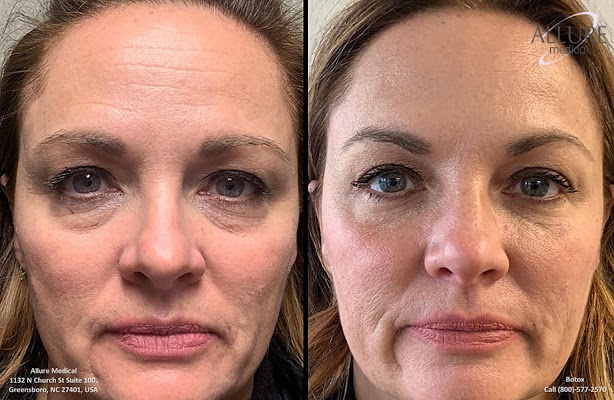
Neck rejuvenation with Botox is a study in restraint and precision. The best compliments are subtle: friends say you look rested, your jawline reads tidier in photos, and your neck stops stealing attention during video calls. If your goals extend beyond muscle, build a layered plan that respects each tissue. Treat the bands, improve the skin, adjust volume where needed, and, if appropriate, slim or strengthen adjacent features like the masseters or trapezius for proportion.
If you are considering this for the first time, begin with a straightforward, conservative session. Ask for a clear explanation of the dosing map and why it suits your anatomy. Plan the two-week review, stick to simple aftercare, and track your result window. Over a few cycles, you and your injector will find the narrow lane that gives you a graceful, confident neck without sacrificing comfort or botox solutions for aging eyes expression.